


Product Description
1.5% Pyrethrin Aqueous Emulsion is a formulation of pyrethrin used for pest control in agricultural
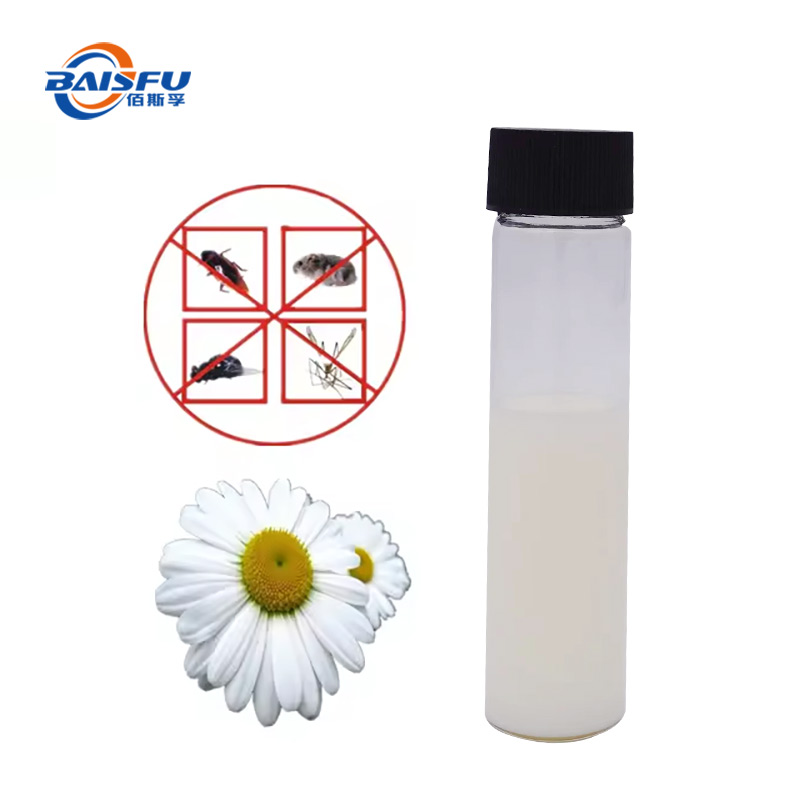
Pyrethrum was a genus of several Old World plants now classified in either Chrysanthemum or Tanacetum which are cultivated as ornamentals for their showy flower heads. Pyrethrum continues to be used as a common name for plants formerly included in the genus Pyrethrum. Pyrethrum is also the name of a natural made from the dried flower heads of Chrysanthemum cinerariifolium and Chrysanthemum coccineum. The insecticidal compounds present in these species are pyrethrins.
Products Description --1.5% Pyrethrin Aqueous Emulsion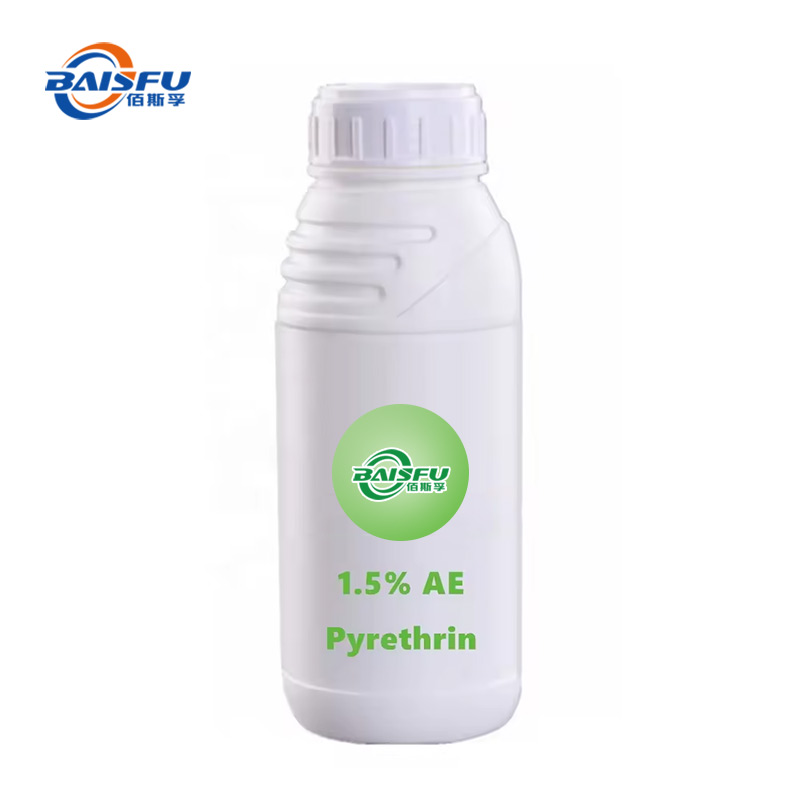
1.5% Pyrethrin Aqueous Emulsion is a formulation of pyrethrin, a natural insecticide derived from chrysanthemum flowers, suspended in water. This concentration is commonly used for pest control in agricultural, horticultural, and household settings.
Key Features of 1.5% Pyrethrin Aqueous Emulsion
Composition:
The emulsion contains 1.5% pyrethrin as the active ingredient, dissolved or suspended in an aqueous (water-based) solution. This formulation is designed for easy dilution and application.
Mode of Action:
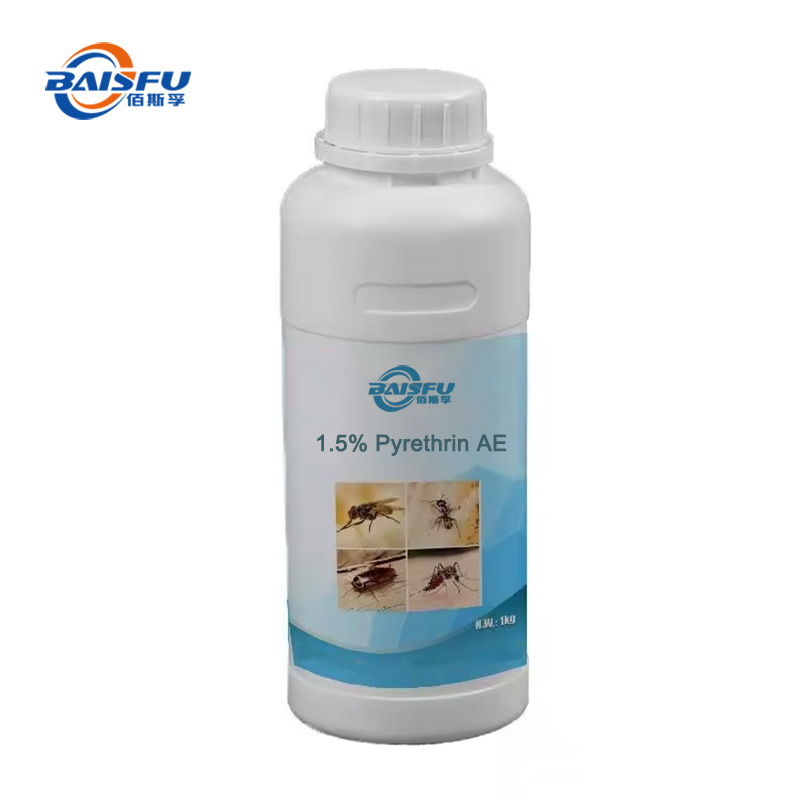
Pyrethrin targets the nervous system of insects, causing paralysis and rapid knockdown. It is effective against a wide range of pests, including mosquitoes, flies, ants, and agricultural insects
Detailed Photos
Product Parameters
| Product Name | Natural Pyrethrum Extract 1.5% Pyrethrin Aqueous Emulsion |
| CAS NO. | 8003-34-7 |
| Molecular Formula | C43H56O8 |
| Specification | 50% |
| Botanical Source | Pyrethrum Cinerariifolium Trev |
| Storage Condition | Avoid light, Cool Dry Place |
Key Features of 1.5% Pyrethrin Aqueous Emulsion
Applications
Agriculture:
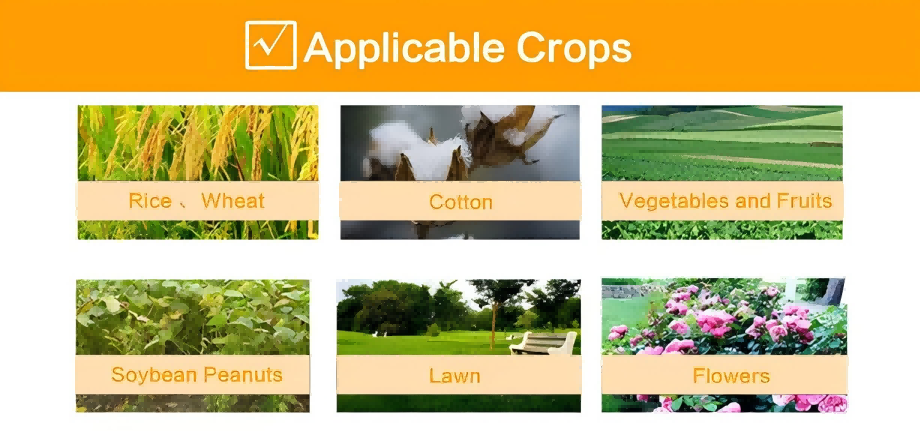
Used to control pests on crops, fruits, and vegetables. It is particularly effective against aphids, thrips, and whiteflies.
Household Pest Control:
Applied as a spray to eliminate indoor pests such as cockroaches, ants, and mosquitoes.
Livestock:
Used to manage flies, ticks, and other parasites on animals. It can be applied as a spray or dip.
Public Health:
Employed in mosquito control programs to reduce the spread of diseases like malaria and dengue.
Post time:2026-02-03


